
Blog
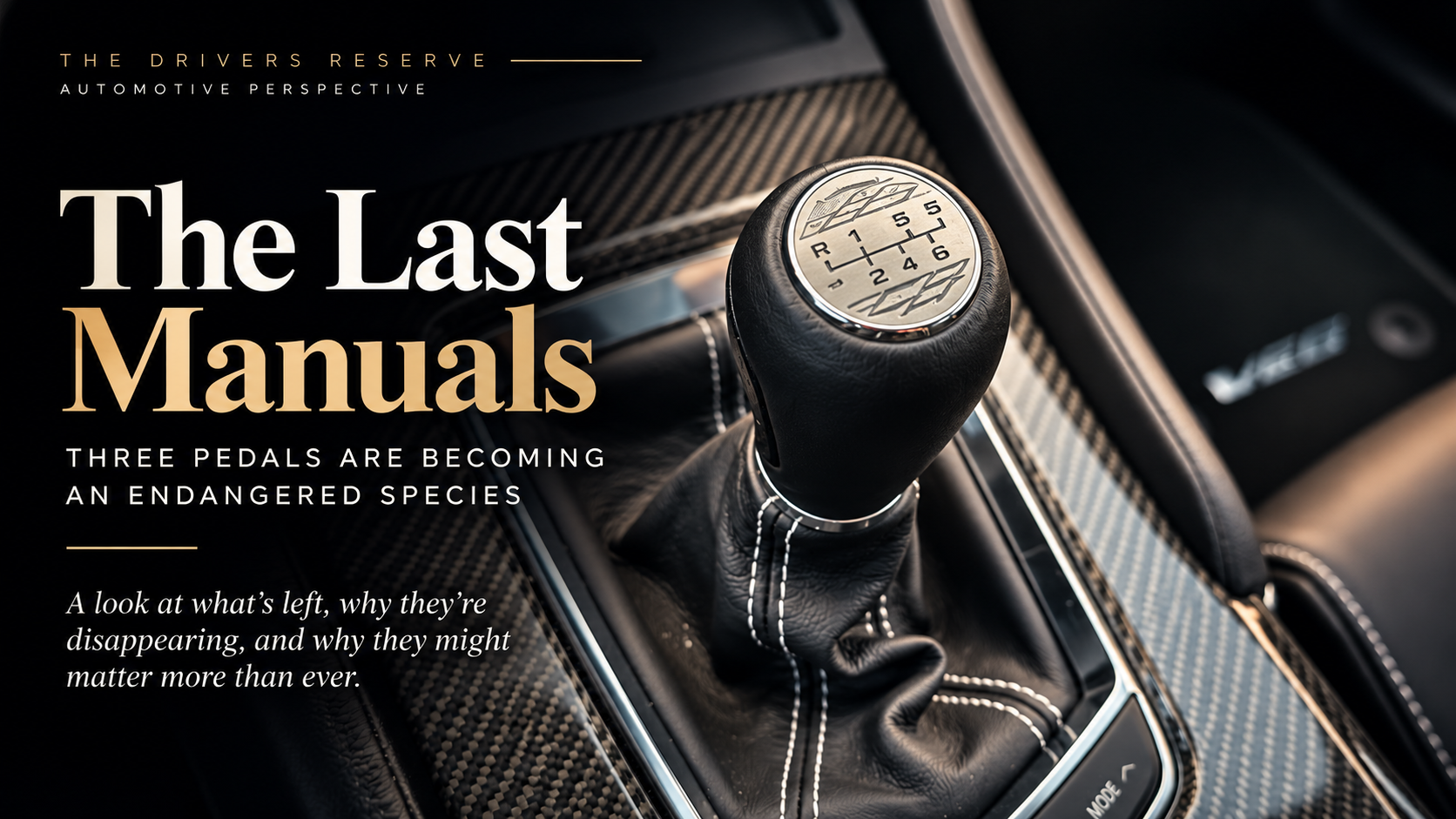
The Last Manuals: Three Pedals Are Becoming an Endangered Species
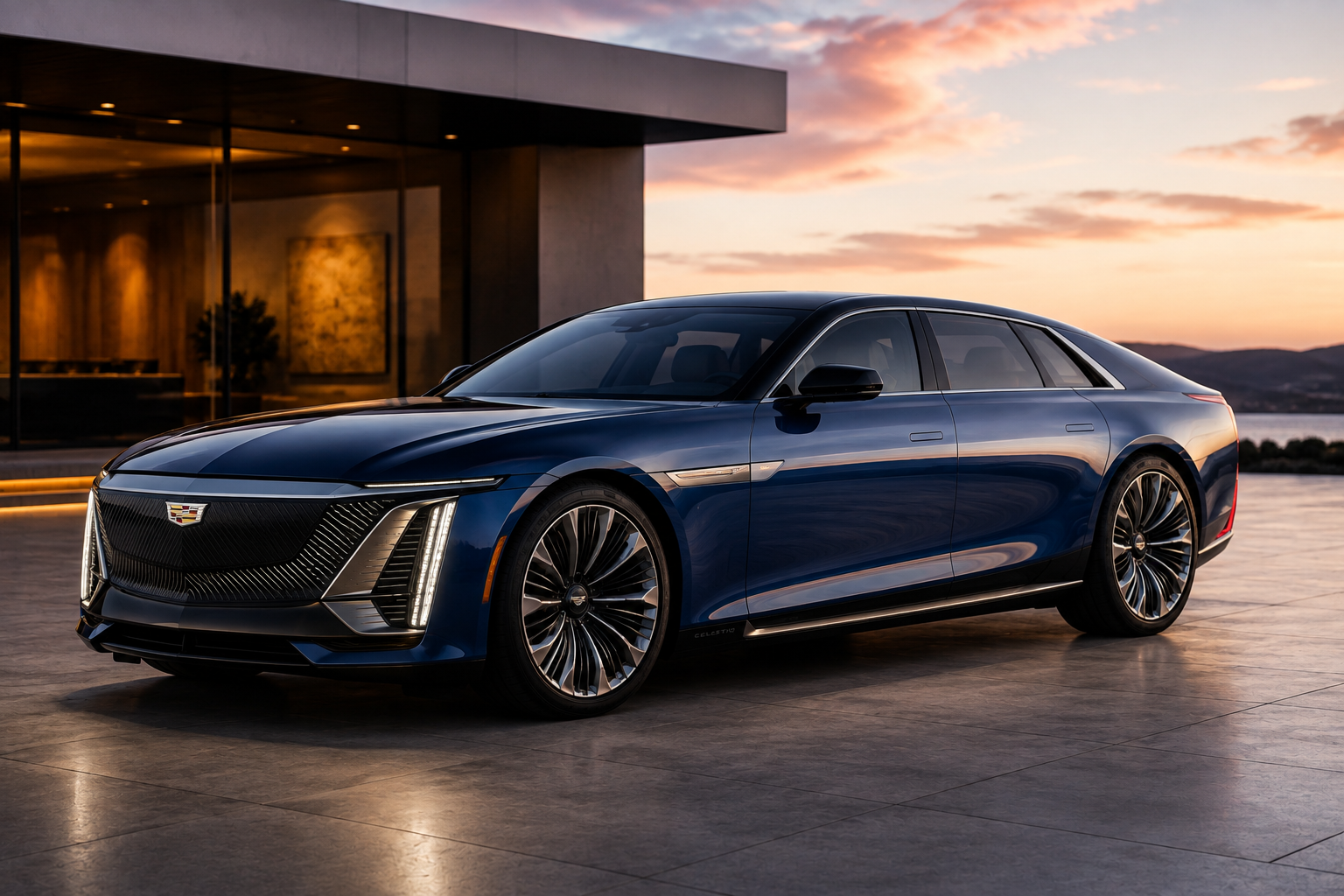
Cadillac Is Bringing Bespoke Craftsmanship Back
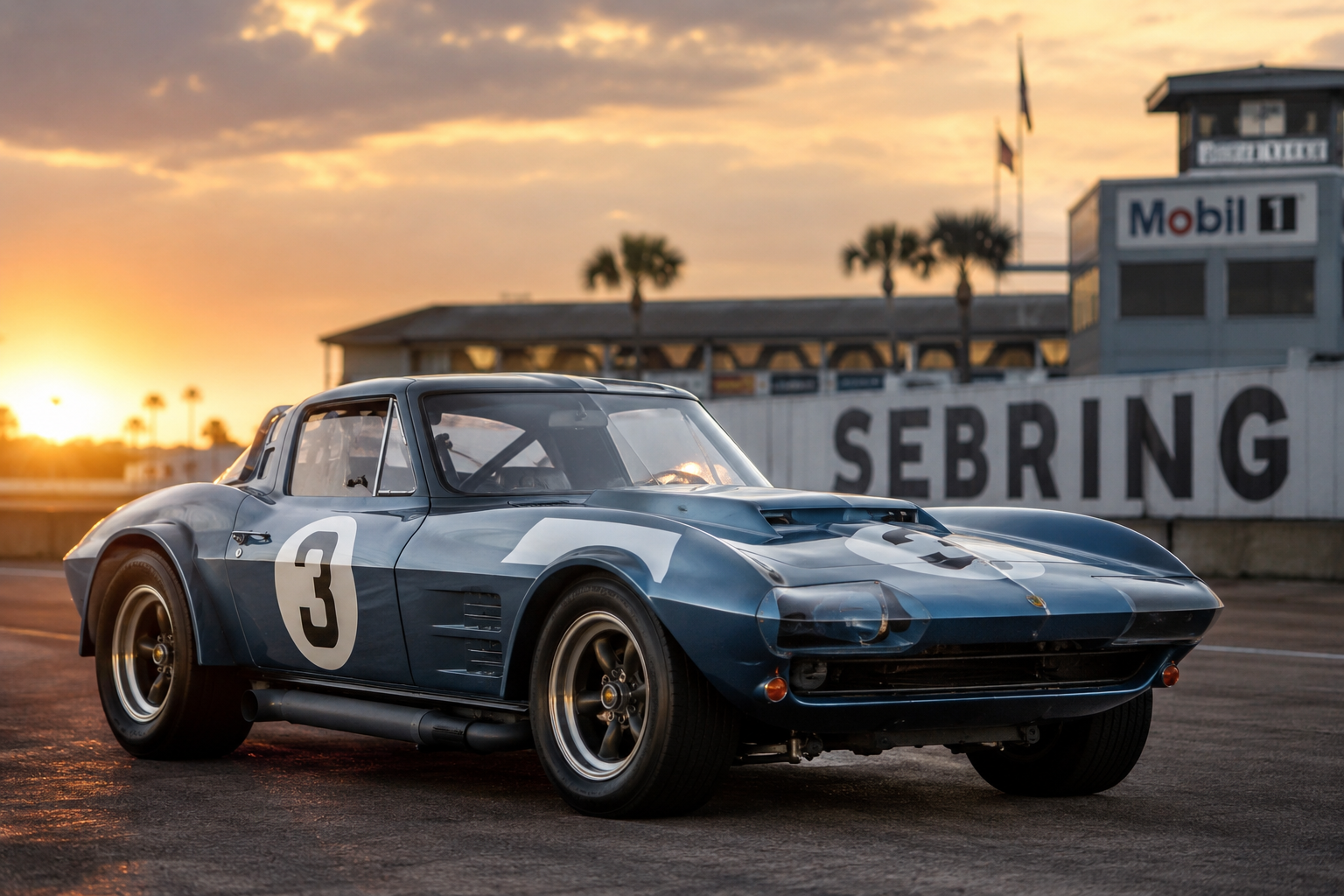
The Corvette That Was Never Supposed to Exist
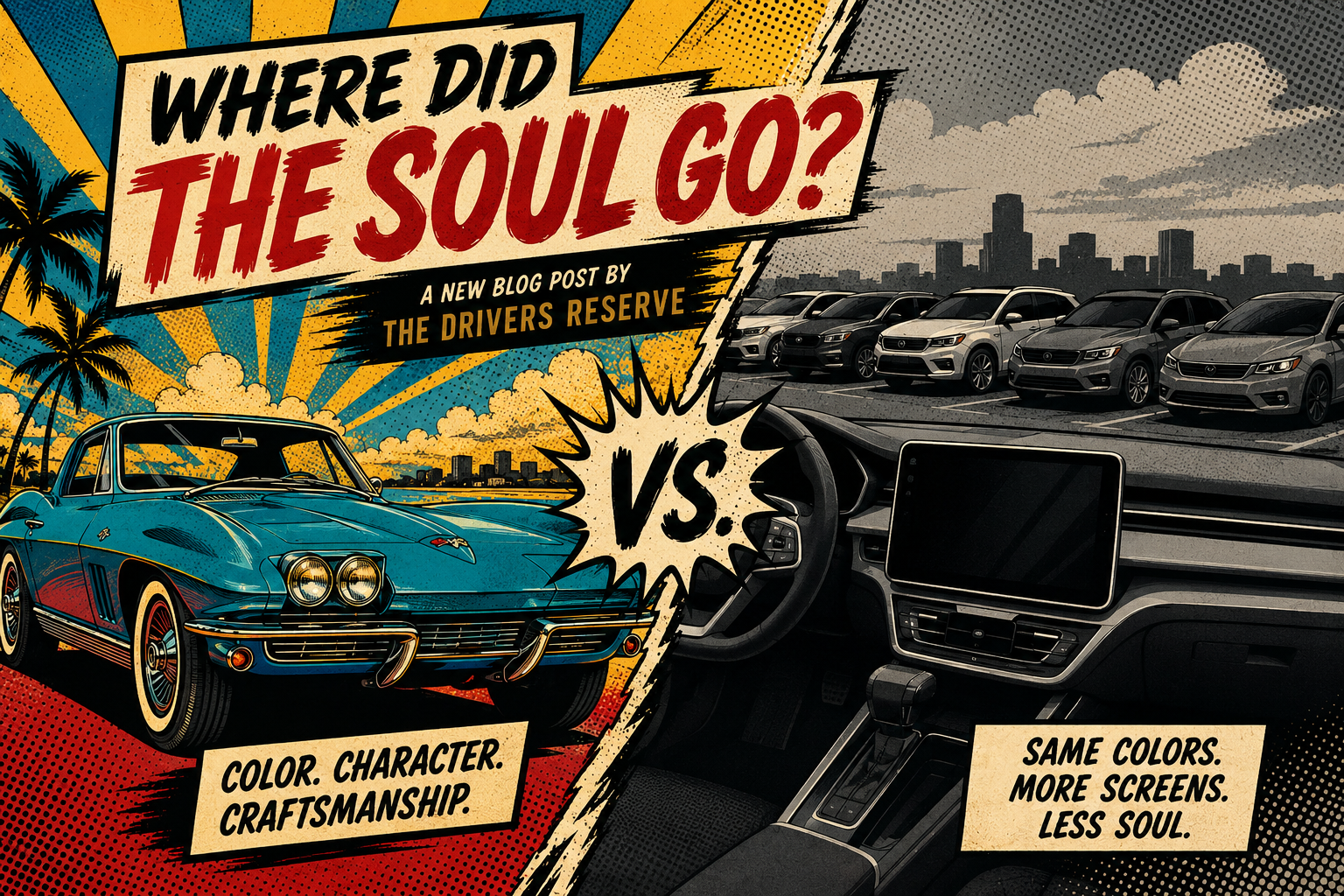
When Did Cars Lose Their Character?
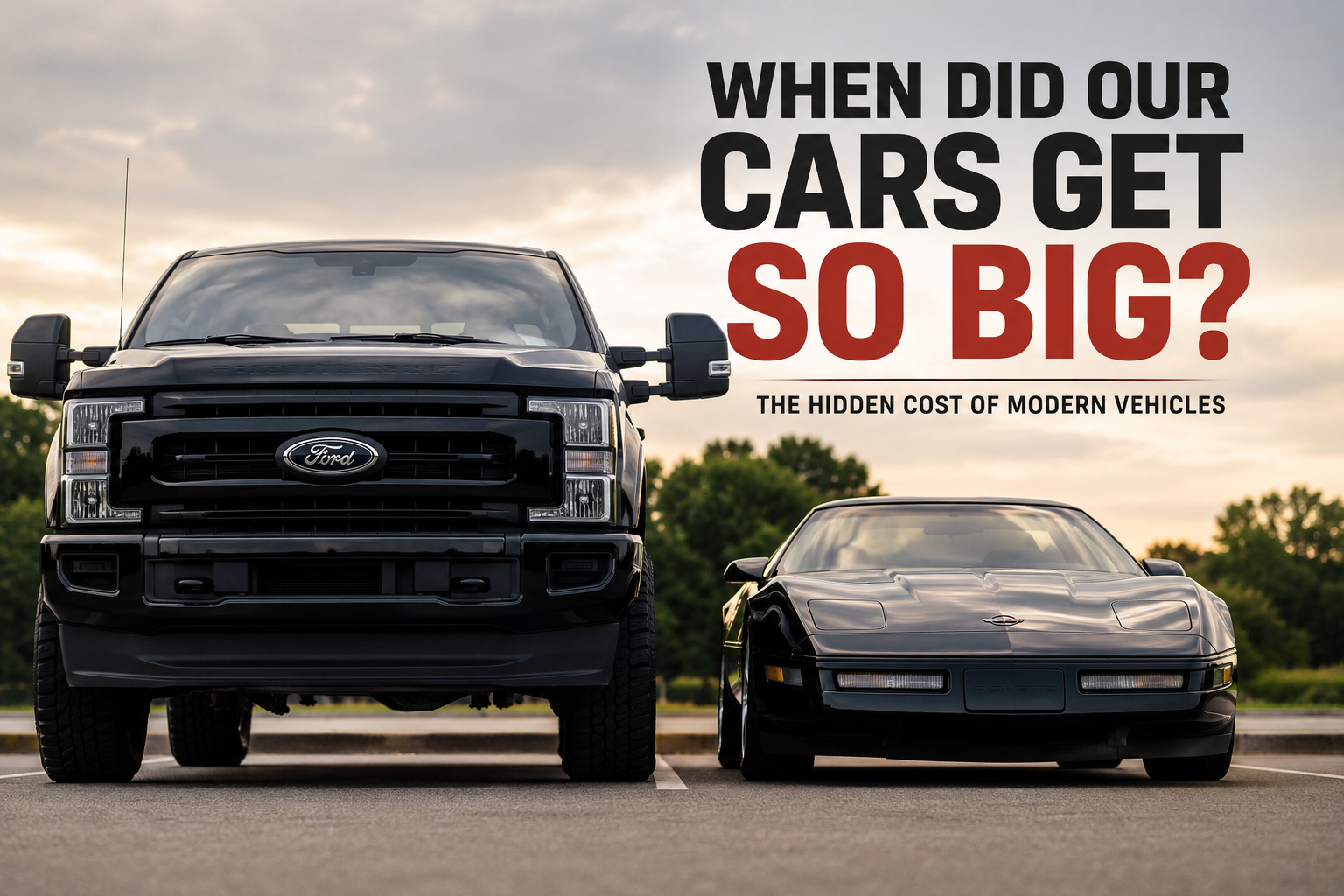
When Did Our Cars Get So Big? Walk through any parking lot today and you'll notice something that has quietly become the new normal. Our vehicles have gotten enormous. A modern pickup can make a sports car from just two decades ago look miniature. Today's SUVs are taller, wider, and heavier than ever before, and even many vehicles labeled as "midsize" would have been considered full-size not long ago. It's one of those changes that happened so gradually, most of us barely noticed. As someone who genuinely loves automobiles, I'm not here to argue that bigger is bad. Modern trucks and SUVs are remarkable pieces of engineering. They're more capable, more comfortable, and in many ways safer than the vehicles they replaced. But every engineering decision comes with a trade-off. And one question has become increasingly difficult to ignore: Have we made our vehicles safer for the people inside them while making them more dangerous for the people outside them? The Cost of Getting Bigger The biggest change isn't horsepower or technology. Its height. Modern trucks and SUVs have taller hoods and more upright front ends than ever before. That gives drivers a commanding view of the road ahead, but it also creates larger blind zones directly in front of the vehicle. Imagine a child standing just a few feet ahead of a full-size pickup. Depending on the model, the driver may not be able to see them at all. That's not carelessness, It's design. The concern goes beyond visibility. When a pedestrian is struck by a taller, heavier vehicle, the shape and height of the front end can make those crashes significantly more severe. A recent New York Times investigation explored the relationship between the growing size of American trucks and SUVs and the rise in pedestrian fatalities. Whether you're an enthusiast, an engineer, or simply someone who spends time on the road, it raises a question that's worth thinking about. We Asked for This It's easy to point the finger at manufacturers. The reality is more complicated, we wanted more cargo space. More capability. More towing capacity. Better visibility. More technology. More comfort. Manufacturers delivered exactly what buyers wanted. SUVs replaced sedans. Pickup trucks became family vehicles. Crossovers became America's default choice. Then something interesting happened. As the average vehicle grew larger, driving something smaller began to feel less secure. The result is a cycle where bigger feels safer because everyone else is driving something bigger. Eventually, what once looked enormous simply becomes normal. This Isn't About Eliminating Trucks or SUVs Let's be clear. There are plenty of legitimate reasons to own a larger vehicle. Families need space. Contractors need trucks. Enthusiasts tow race cars. Some people live where four-wheel drive isn't a luxury it's a necessity. And sometimes people simply like driving a truck. There's nothing wrong with that. This isn't about telling people what they should drive. It's about asking whether the next generation of vehicles can be just as capable while also becoming more considerate of the people who share the road. Fortunately, technology is already helping. Automatic emergency braking, pedestrian detection, surround-view cameras, and advanced driver-assistance systems are making modern vehicles safer than ever before. But technology shouldn't replace thoughtful engineering. It should complement it. The Next Chapter of Automotive Design As enthusiasts, we spend a lot of time talking about horsepower, Nürburgring lap times, carbon fiber, and the newest performance technology. Those conversations are part of what makes this hobby so enjoyable. But maybe the next great advancement in automotive engineering won't be measured by a spec sheet, maybe it'll be measured by something much simpler. Can we continue building vehicles that are bigger, stronger, and more capable while making them safer for everyone who encounters them? That's a challenge worth solving, because great automotive design has never been about building the biggest vehicle. It's about building the best one, and that's a future every enthusiast should be excited about.
The Last Manuals: Three Pedals Are Becoming an Endangered Species
Cadillac Is Bringing Bespoke Craftsmanship Back
The Corvette That Was Never Supposed to Exist